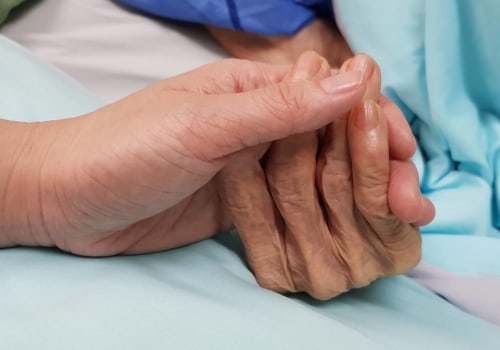
Home care (also known as home care, home care, home care, personal care, community care, or social care) is medical care or supportive care that is provided in the individual home where the patient or client lives, and that generally focuses on paramedical help from professional caregivers and daily care. The definition of home health care near Bluff UT refers to medical services provided at home to treat a chronic health condition or to help you recover from illness, injury, or surgery. Some people start receiving home health care near Bluff UT after a deterioration in their health or after being diagnosed with a serious medical condition. Many people make the transition to home care near Bluff UThome care near Bluff UT after a stay in a hospital, rehabilitation center, or skilled nursing facility. The primary goals are to help people recover and remain as independent as possible. Home health care is sometimes called specialized home care or home health care.
This is home support for people discharged from a hospital or skilled nursing facility who cannot travel safely to the doctor's office or clinic. It may also be prescribed for rehabilitation after a fall, other injuries, or serious chronic illnesses. Homemaker home health aides work for an organization that has a contract with the VA. Homemaking or home health care services can be used as part of an alternative to nursing home care and to obtain respite care at home for veterans and their family caregivers.
The services of a homemaker or home health aide can help veterans continue to live in their own home and can be useful for veterans of any age. Home health care includes a wide range of social and health services provided in your home to treat illnesses or injuries. Services covered by the Medicare home health care benefit include intermittent skilled nursing care, therapy, and care provided by a home health assistant A home health assistant provides personal care services to a patient at home, including help with bathing, going to the bathroom and dressing. Medicare pays the full cost of an assistant if you need specialized care (skilled nursing or therapy) and meet other requirements. Medicare won't pay for an assistant if you only need personal care and don't need specialized care.
Depending on the circumstances, home health care will be covered by Part A or Part B.If homemaking or home health care services are right for you, your VA social worker can help you make the necessary arrangements for them. This summary of the issue provides an overview of what Medicaid home care (also known as “home and community services” or HCBS) is, who is covered and what services were available in 2024. Home health care provides people with access to a variety of experienced professionals, including nurses and physical therapists, who provide personalized medical services at home to help promote recovery and stability. This summary is one of several data describing the 22nd KFF survey of officials who manage Medicaid home care programs in all 50 states and the District of Columbia (hereinafter, “state”), which states completed between April and October of 2024. All states offer people assistance with personal care and household activities as part of providing personal care, but use different programs to do so. All enrolled veterans are eligible for home health care for homemakers if they are eligible for community care and meet the clinical criteria for receiving the service and if it's available. Some long-term care policies, Medicaid or Medicare Advantage (Part D) plans, include home care benefits.
Unlike long-term institutional care, nearly all home care is optional for states under Medicaid. Before you start getting home health care, the home health agency must tell you how much Medicare will pay. More than half of the people who use Medicaid home care services are also enrolled in Medicare; these people are also known as people with dual eligibility. Having this information from your caregiver, along with the participation of your care team and social worker, will help you make short and long-term care decisions.
Most people who qualify for Medicaid home care are eligible if they have a disability or if they are 65 years of age or older. Other survey summaries describe the number of people on the waiting list for home care, the way home care programs support family caregivers, the payment rates of home care providers, and the way Medicaid covers people in assisted living facilities.