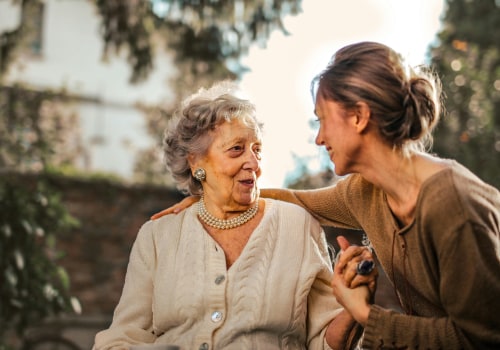
A personal care assistant (PCA) is a job title that is often used interchangeably with that of caregiver. PCAs provide personalized assistance to people with personal care tasks, such as bathing, grooming, dressing, and administering medications. They can also help with light housework and meal preparation. PCAs play a crucial role in ensuring the comfort and well-being of their customers.
An alternative name for a caregiver is care provider. This term emphasizes the role of the caregiver in providing essential care and assistance to people in need. Care providers offer support, comfort and help to people who need help with daily tasks or specialized care. Another name for a caregiver is caregiver.
The term caregiver emphasizes the caregiver's responsibility to oversee the well-being and needs of the person they care for. Caregivers assume the role of providing physical, emotional and practical support to people who may have limitations or need assistance in various aspects of their lives. These alternative names for caregivers reflect the diverse roles and qualities that caregivers possess. Whether called care providers, caregivers, or caregivers, these compassionate individuals play a vital role in improving the lives and well-being of the people they care for.
A support worker is a caregiver who provides assistance to people with activities of daily living, especially those related to old age, disability, illness, or mental disorders. Support workers can be paid or unpaid and can work in a variety of settings, such as health centers, community organizations, or private homes. The responsibilities of a support worker may vary depending on the specific needs of the person they are caring for. They can help with tasks such as personal hygiene, preparing meals, administering medications, transportation, and emotional support. Support workers often receive training to ensure they are equipped with the skills and knowledge needed to provide quality care.
Informal caregivers are people who care for family members or people in their social network without formal professional training. They play a crucial role in supporting the well-being and independence of their loved ones. Informal caregivers can be spouses, children, siblings, or close friends. The responsibilities of informal caregivers can be diverse and may include helping with personal care, household chores, managing medications, coordinating appointments, and providing emotional support. Informal caregivers often have a deep personal connection with the person receiving care, which can add an additional level of dedication and commitment to their caregiver role.
Family caregivers are people who care for their family members, usually in their own homes. They may not have formal training, but they take responsibility for caring for their loved ones with dedication and compassion. Family caregivers can be spouses, parents, siblings, or adult children. Family caregivers often play a vital role in supporting the physical, emotional and social well-being of family members. Their responsibilities may include helping with personal care, managing medications, coordinating health care appointments, providing companionship, and defending the needs of loved ones.
Family caregivers are an essential source of support and play a crucial role in maintaining the overall quality of life of the people they care for. By understanding the different roles of caregivers, we can appreciate the diverse contributions and responsibilities of those involved in providing care. Whether you're a support worker, an informal caregiver, or a dedicated family member, every caregiver role plays an important role in improving the lives of people who need assistance. Temporary care providers offer specialized care services that focus on providing temporary relief to primary caregivers.
They intervene to provide care and support to people who need assistance due to illness, disability, or aging, allowing primary caregivers to take a break from their responsibilities. Respite care can be provided in different settings, such as at home or in specialized care facilities, and offers temporary relief to caregivers who may need time to care for themselves or to attend to other responsibilities. Family caregivers, who are usually relatives who provide support to a sick or disabled loved one at home, may be referred to as family care coordinators. These caregivers assume a variety of responsibilities, including emotional support, financial assistance, nursing care, social participation, and support for household tasks.
They coordinate various aspects of care and ensure that the needs of their loved ones are met. Family care coordinators often act as advocates and liaisons between loved ones and health professionals, ensuring that all necessary care and services are provided. These non-traditional caregiver titles highlight the diverse aspects of providing care beyond traditional practical or medical care. Companionship specialists, family care coordinators and life enrichment specialists play a vital role in supporting individuals and improving their overall well-being.
Each title references the unique skills and contributions that caregivers bring to their roles, and shows the diverse nature of caregiving in today's society. Palliative care volunteers play a crucial role in providing emotional and practical support to people facing terminal illnesses and their families. These compassionate volunteers provide companionship, listen attentively and provide comfort to patients in the final stages of their lives. They can help with tasks such as running errands, offering family members a break, or just sitting back and providing a comforting presence.
Medicaid Exemptions Transform Family Care Delivery in the U.S. In the U.S. Personal care plays a vital role in providing essential support and assistance to people who need help with their daily activities and general well-being. Let's explore the importance of personal caregivers and better understand what they do.
Personal caregivers are an essential part of the healthcare system, providing invaluable assistance to individuals who may struggle to manage daily tasks independently. They offer physical and emotional support, helping their clients to maintain a good quality of life. Personal caregivers are particularly crucial for people who are elderly, disabled, or who are recovering from illness or surgery. They help improve the overall well-being of their customers by promoting independence, ensuring safety and providing companionship. The impact of personal caregivers goes beyond physical assistance, as their support can significantly improve the mental and emotional well-being of their clients.
Personal caregivers work closely with their clients and their families, developing a relationship of trust based on empathy, compassion and respect. Its role is to have a positive impact on the lives of its clients, helping them to maintain their independence and improve their overall well-being. Understanding the importance and role of personal caregivers is essential for people seeking care for themselves or their loved ones. By recognizing the valuable support they provide, people can make informed decisions when choosing the right caregiver for their specific needs.
A personal care assistant, also known as a PCA, is responsible for providing direct care and assistance to people who need help with their daily activities. PCAs work closely with their clients, helping them with tasks such as bathing, dressing, preparing meals and light household chores. They can also provide companionship and emotional support to promote the overall well-being of their clients. A home health assistant, often referred to as an HHA, is a caregiver who provides support to people in their own homes. HSAs help with personal care, including bathrooms, grooming staff and medication reminders.
They can also help with light household chores and provide companionship. Home health aides play a crucial role in allowing people to remain in the comfort of their homes while receiving the care they need. The term caregiver is a broad title that encompasses a variety of caregiving functions. Caregivers can work in several settings, including private homes, assisted living facilities, and nursing homes.
Their responsibilities may include helping with personal care, managing health conditions, administering medications, and providing emotional support. The position of caregiver is often used as a general term to describe people who provide care to those in need. A personal support worker (PSW) is a caregiver who provides assistance and support to people with physical or mental health problems. PSWs help with personal care, mobility and activities daily.
They can also provide emotional support and help people participate in social activities. Personal support workers play a vital role in improving the quality of life of their clients and in promoting independence. Personal caregivers play a crucial role in providing assistance and support to people who need help with their daily activities. They offer a range of services to ensure the well-being and comfort of their customers. Let's discuss some of the main responsibilities of a personal caregiver.
One of the primary responsibilities of a personal caregiver is to help people with their daily activities. This includes tasks such as bathing, dressing, grooming, and going to the bathroom. Caregivers ensure that their clients can maintain personal hygiene and feel comfortable in their daily routines. In addition to personal care, caregivers can also help with meal preparation, feeding, and mobility assistance.
They can help customers get around the house, move from one place to another, and help them use assistive devices if needed. Personal caregivers not only attend to the physical needs of their clients, but they also provide invaluable emotional support. They develop a bond with their customers and offer companionship, empathy and understanding. By having a constant presence in the lives of their clients, caregivers help alleviate feelings of loneliness and provide a sense of security.
Caregivers also engage in meaningful conversations, actively listen to their clients, and encourage and reassure them. They create an enriching environment in which customers feel valued and supported. Another fundamental responsibility of a personal caregiver is to monitor the health and well-being of their clients. They closely monitor any changes in physical or mental health and immediately report any concerns to appropriate health professionals.
Caregivers may also be responsible for administering medications, ensuring that clients take the prescribed doses at the right time. They keep track of medication schedules, monitor any side effects, and contact healthcare providers about any necessary adjustments. To provide the best possible care, personal caregivers must receive appropriate training and possess the necessary skills and attributes. Let's explore more about the qualifications and training required in the next section. To become personal caregivers, people generally must meet certain qualifications and receive specific training.
These are the key aspects related to education, certification, skills, attributes and continuing professional development in the field of personal care. While formal education isn't always a requirement to become a personal caregiver, employers generally prefer to have a high school diploma or equivalent. Some positions may have specific educational requirements, such as a certificate or an associated degree in a related field, such as healthcare or nursing. These programs provide fundamental knowledge and skills that can benefit personal caregivers in their roles.
In addition to education, personal caregivers often request certification to demonstrate their competence and commitment to the profession. Certification programs, such as Certified Nurse Assistant (CNA) or Home Health Aide (HHA), provide specialized training and evaluate caregiver knowledge and skills in areas such as personal care, safety and infection control. These certifications can improve employment opportunities and provide greater credibility. Personal care is a dynamic field, and ongoing professional development is crucial to keeping up with best practices and advances in care.
Caregivers can participate in workshops, seminars, and training programs that focus on specialized topics, such as dementia care, end-of-life care, or specific medical conditions. These opportunities allow caregivers to expand their knowledge, improve their skills and improve the quality of the care they provide. By continuously seeking educational opportunities and keeping up with industry developments, personal caregivers can provide the highest level of care to their clients and ensure their own professional growth in the field. When it comes to finding a personal caregiver, there are a few different avenues to consider.
Whether you choose to hire through agencies or opt for private hiring, it's important to carefully evaluate your options to ensure you find the right caregiver for your needs. Private hiring may be a more personal and personalized approach to finding a caregiver, but it requires careful evaluation and due diligence to ensure that the caregiver is right for your needs. By carefully considering these factors and conducting thorough evaluations, you can increase the likelihood of finding a personal caregiver who meets your requirements and provides the level of care and support that you or your loved one needs. Caregiver Activities, Duties, and Responsibilities The Essential Role of Caregivers in Managing Medications for the Elderly Explore the Crucial Contributions of Caregivers Establishing a Relationship of Trust with Your Caregiver Explore the Skills and Responsibilities of a Home Health Aide.
Caregiver roles can also vary depending on the person receiving care. For example, you may work with an older adult, a person with a disability, or a child with special needs. By learning about the different functions available, you can focus your job search and prepare more effectively. Accompanying caregivers focus on providing emotional support and companionship rather than providing practical care.
They help with light household chores, errands, conversations, and activities that promote social interaction. A resident caregiver resides in the client's home and provides full-time care, who often includes support during the night. These roles require a strong sense of responsibility and flexibility, as the caregiver is present most of the day. Whatever degree you choose, know that you are making a difference in the world by providing care and support to those who need it most.
Essentially, a caregiver's job involves helping another person live safely and comfortably, often in their own home. Finding the right job position is essential not only to accurately represent the caregiver's skills and experience, but also to attract the right opportunities. While the term “caregiver” is commonly used, there are alternative job titles that encompass the various responsibilities and skills involved in this profession. By exploring these alternative job titles, individuals seeking care services or those considering pursuing caregiving can better understand the various roles and responsibilities involved.
While the caregiver role is often associated with specific roles, there are alternative roles that can better describe the unique aspects of caregiving. Caregivers, regardless of their position, play a vital role in improving the lives of people in need assistance. Whether you're looking for a part-time position close to home or want to develop a long-term healthcare career, understanding the different types of caregiver jobs is the first step in finding the right person. These non-traditional job titles highlight the unique aspects of caregiving and the specialized roles that caregivers can play.
When it comes to professional caregiving roles, there are several alternative titles that are commonly used to describe individuals who provide compassionate care and support. Understanding the distinctions between these terms can help individuals and families choose the most appropriate degree for specific care requirements that they are looking for. When it comes to personal care, there are several different job titles used to describe people who provide care and support to those in need. However, not all caregiver jobs and responsibilities are the same: some are more focused on patient care, while others prioritize emotional support or domestic help.